
Why Garden and Terrace Design Are Now Year-Round Sells
)
The British garden has quietly undergone a transformation. What was once a space dusted off in May and abandoned by September is now one of the most commercially active categories in retail, not just at the traditional peak of spring and summer, but across every season. For independent retailers, garden centres, and buyers, understanding this shift isn't just interesting; it's essential for staying competitive.
And the data backs this up. UK homeowners are expected to spend an average of £865 on garden and outdoor projects in 2026, up from £798 in 2025, representing a £1 billion boost for the sector. Meanwhile, the UK outdoor living market is projected to surpass £6.5 billion, with 59% of consumers planning to purchase new outdoor furniture or accessories. These are not just summer numbers. This is year-round consumer intent, and retailers who treat garden and terrace as a seasonal category are potentially leaving a significant margin on the table.
The Indoor-Outdoor Blur
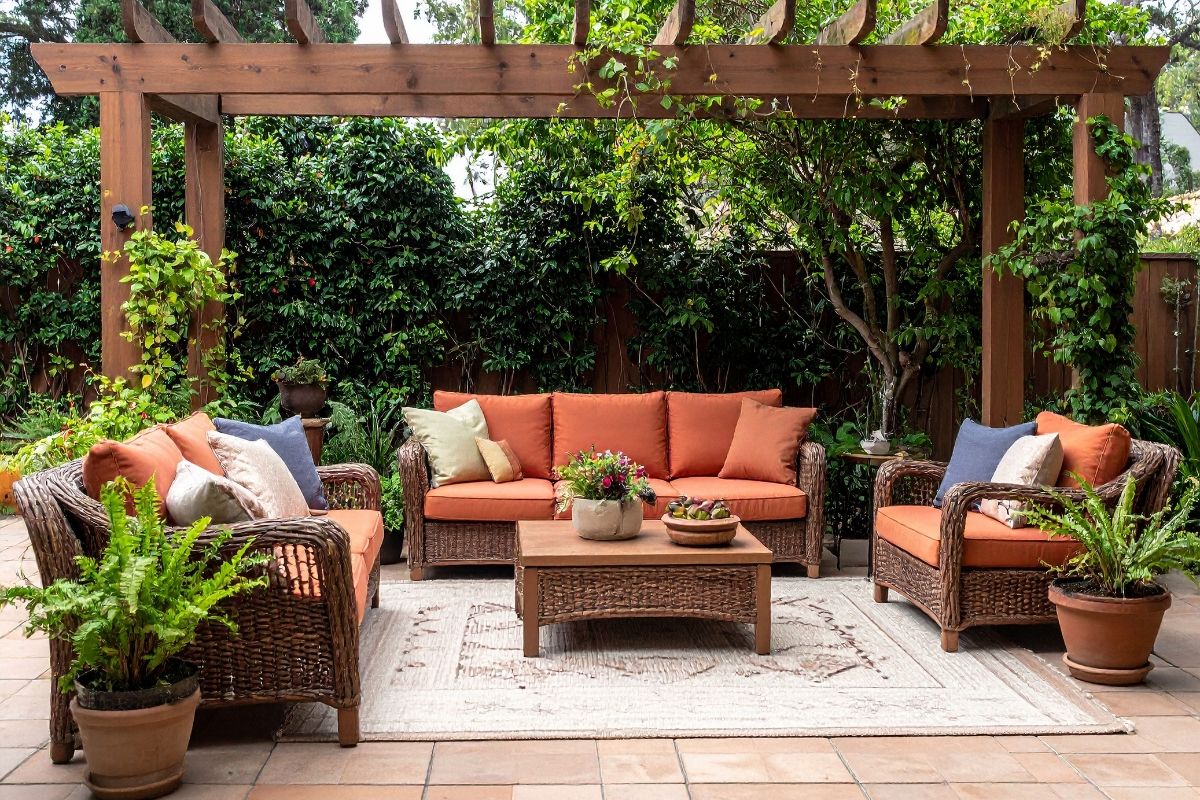
Perhaps the most significant cultural shift driving this trend is the erosion of the boundary between inside and outside. Garden furniture is increasingly being purchased with the same attention to comfort and detail as indoor living room furniture, with a clear focus on creating fluid indoor-outdoor living with comfortable, considered spaces that function as true extensions of the home.
This is a meaningful change in how buyers need to think about ranging. Products that were once positioned as purely functional, weatherproof chairs, decking solutions, outdoor rugs, now carry the same design expectations as the furniture that belongs in the living room. As we move into summer 2026, warm minimalism is extending beyond interiors and into outdoor living, with calm, pared-back spaces grounded in warm tones, natural materials, and layered textures, creating outdoor environments that feel serene yet soulful.
For retailers already stocking interiors lines, this is a natural range extension. The customer browsing cushions and throws in autumn is increasingly the same customer considering all-weather outdoor seating, because they want their terrace to feel considered as their sitting room, even in November.
The Wellbeing Factor
Garden retail has also been buoyed by the broader wellness movement, which is showing no sign of slowing. The wellness movement has already taken over every avenue of our lives, from how we eat to how we sleep, and now it's taking over our gardens too, with outdoor wellness spaces progressing from a niche concept into a mainstream design priority.
This taps directly into the growing appetite for wellbeing products, from outdoor saunas and cold-water bathing kits to botanical garden accessories and sensory planting schemes. Retailers who are stocking gifting and lifestyle categories will find strong cross-sell opportunities here. A wellness-focused garden isn't just about plants; it's about the candles, the ceramic pots, the textiles, and the ritual objects that transform a terrace into a sanctuary.
Modular, Flexible, Year-Round
One of the most commercially important shifts in garden product trends is the rise of modular and adaptable furniture. Searches for 'modular outdoor sofa' have surged 20% on Google Trends over the last five years, signalling growing demand for furniture that can be reconfigured for lounging, dining, or entertaining. These are pieces that earn their place permanently, not stored away after bank holiday weekend.
Obviously there’s a natural spike in the summer season, but modular garden ranges represent a strong year-round story that sells across the catalogue from January through December. Pair them with all-weather textiles, outdoor lighting, and smart garden accessories and you have a category that genuinely performs in every quarter.
Sustainability Is Non-Negotiable
Sustainability is set to continue growing as one of the biggest garden trends for 2026, with more and more gardeners adapting the way they garden in favour of eco-friendly practices and using upcycled and sustainable materials wherever they can. For sustainable retailers, this is a category that already speaks their language. Climate-resilient planting, recycled materials in outdoor furniture, and wildlife-friendly garden products are already not niche,they are the mainstream expectation of a growing and vocal customer base.
The RHS has pointed to the role of climate change as the main driver of new gardening activity, presenting both challenges for gardeners, such as flooding and drought, and possibilities for growing new plants. Products that respond to this narrative, drought-tolerant planting collections, permeable paving solutions, water-harvesting accessories, are increasingly strong wholesale propositions.
Small Spaces, Big Opportunity
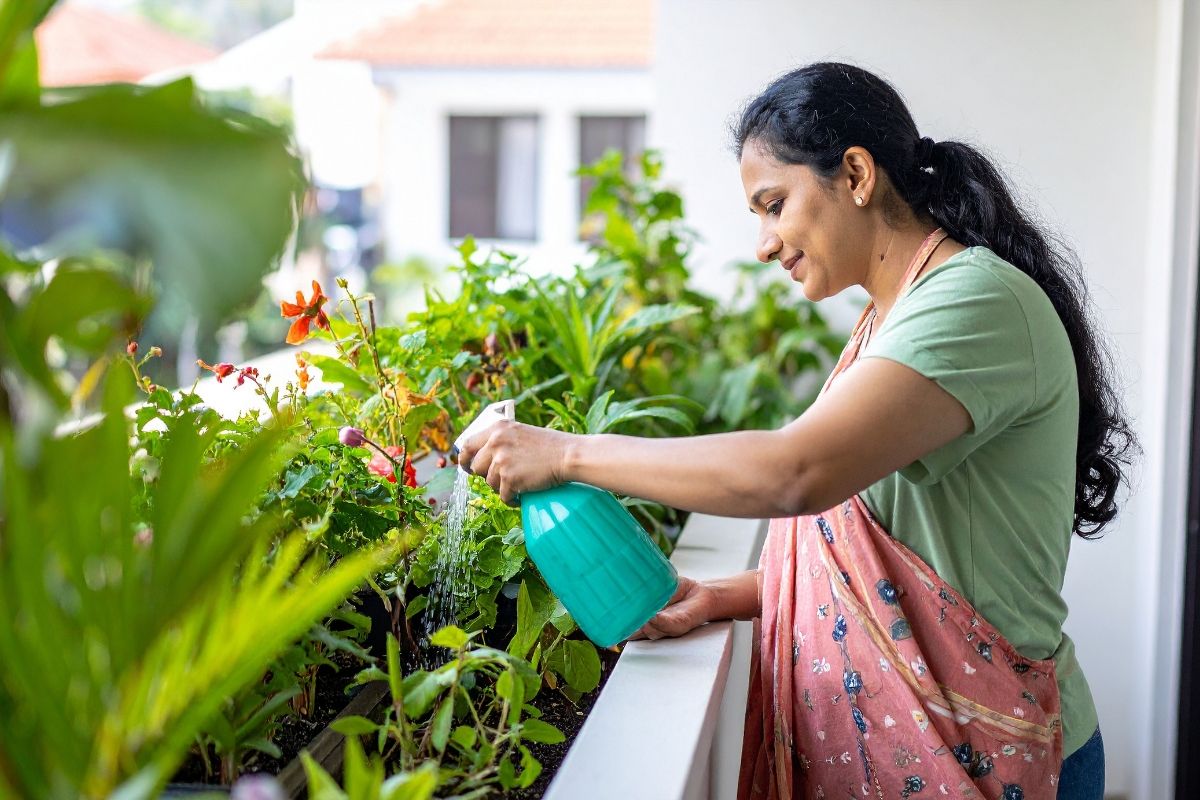
Not every customer has an acre. The small space gardening boom is continuing, with more consumers tending gardens on balconies, patios, and within rented homes. Products offering modularity, vertical growing options, and lightweight mobility are becoming essential for retailers.
Increasingly Gen Z and millennial renters are just as engaged with garden and outdoor design as their home-owning counterparts, to put it simply working with different dimensions. Balcony planters, vertical growing kits, compact fire pits, and folding furniture for small terraces are all strong lines to consider building out.
What This Means for Retail Ranging
The practical implication for independent retailers is a fundamental reconsideration of when garden products go on the shop floor, and when they come off. The old model of a sharp spring spike followed by a summer clearance is out of step with how consumers are now shopping and living.
Outdoor spaces will increasingly become true extensions of the home, with cooking and entertaining evolving from a summertime moment into a year-round norm. That means Pizza ovens belong alongside Christmas gifting. Outdoor heaters belong in the back-to-school window. Garden wellness products belong in the same January reset display as indoor self-care.
Trade show news from across the sector confirms that garden and outdoor living now commands serious floor space at homeware trade shows and retail exhibitions that previously wouldn't have considered the category at all.
The opportunity for independent retailers is significant. Consumers are investing more in their outdoor spaces, demanding more design-led product, and doing so across twelve months of the year. The retailers who win will be the ones who stock, display, and communicate garden and terrace design as a permanent destination, not a seasonal detour.