
How Is the 2026 Heatwave Changing the Way We Garden?
)
Another summer, another hosepipe ban. By 10 August 2026, the National Drought Group confirmed that 71.3% of England was officially in drought, with more than 27 million people living under water-use restrictions after England and Wales recorded their driest July on record. Nine water companies, including Thames Water and South West Water, introduced Temporary Use Bans affecting upwards of 15 million households, and temperatures at Kew Gardens hit 38°C, the fifth hottest day ever recorded in the UK.
If your lawn has gone yellow and your pots need watering twice a day just to survive, you are not alone. This is the moment a lot of gardeners start asking the same question: what can I actually grow that will not die if I cannot water it every day?
And it is not just gardeners feeling the pinch. Water is becoming a real cost pressure for garden centres and retailers too, which is exactly the kind of thing the industry is now getting to grips with. At Glee Birmingham 2026, the our talk Stop Pouring Money Away: Smarter Water Use for Garden Retail runs on 9 September, looking at how garden centres can spot waste early, tighten up processes, and invest in reuse to keep costs down without compromising plant care.
Which plants should you be looking for?
A few reliable names are worth building your borders and pots around this year and into the next. All five are easy to find at any garden centre and cope well once established, even through a proper dry spell.
-
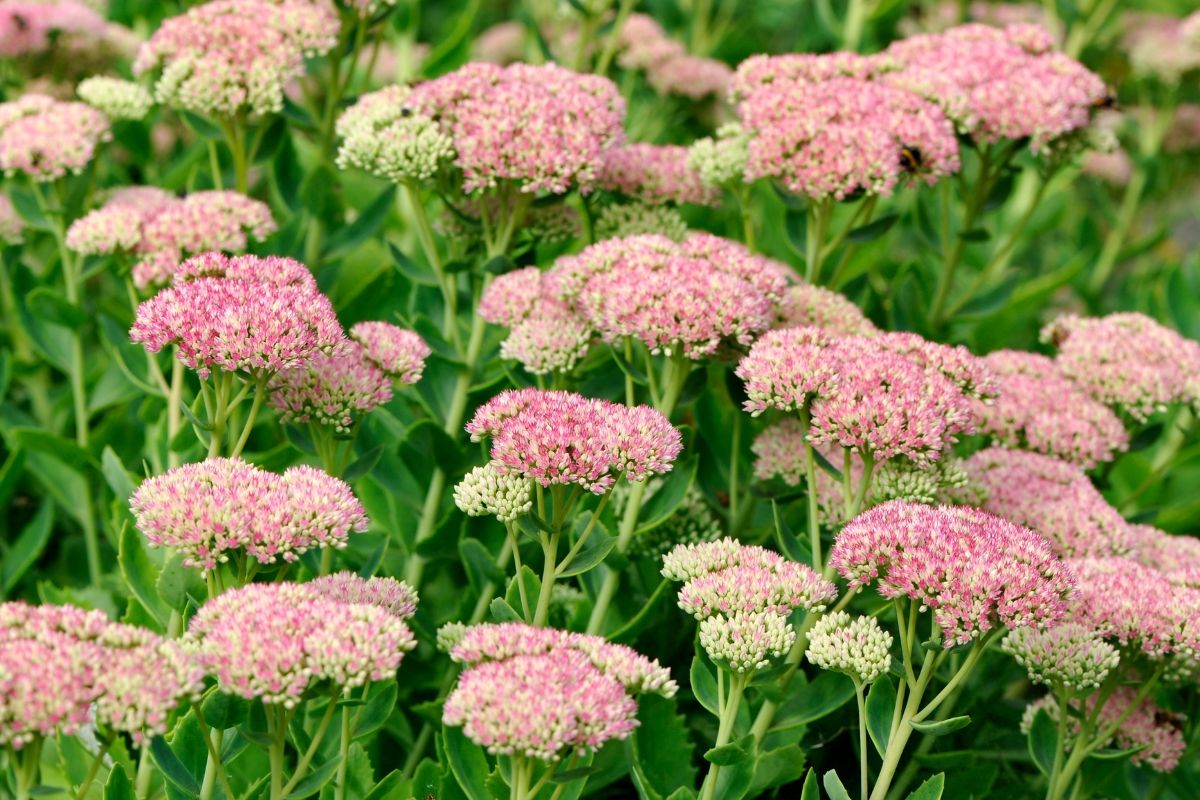
Sedum. British Garden Centres describes sedums as essentially "little water tanks", thanks to thick, fleshy leaves that store moisture and get them through long dry stretches without complaint. A bonus is the rich rusty red autumn colour, right as the rest of the border fades.
-
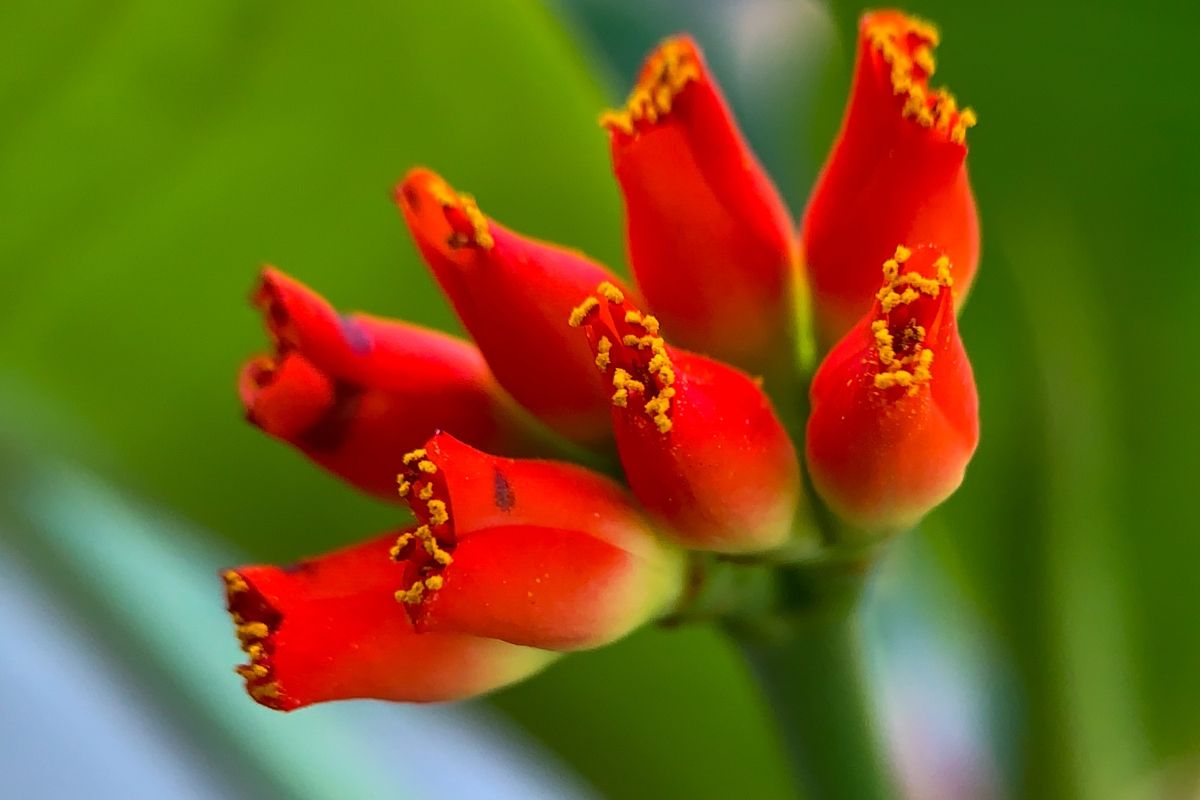
Euphorbia. A must given the hotter summers ahead. They bring structure and unusual, long-lasting acid-green flowerheads, and cope well in poor, dry soil. Wear gloves when cutting it back, as the sap can irritate skin.
-
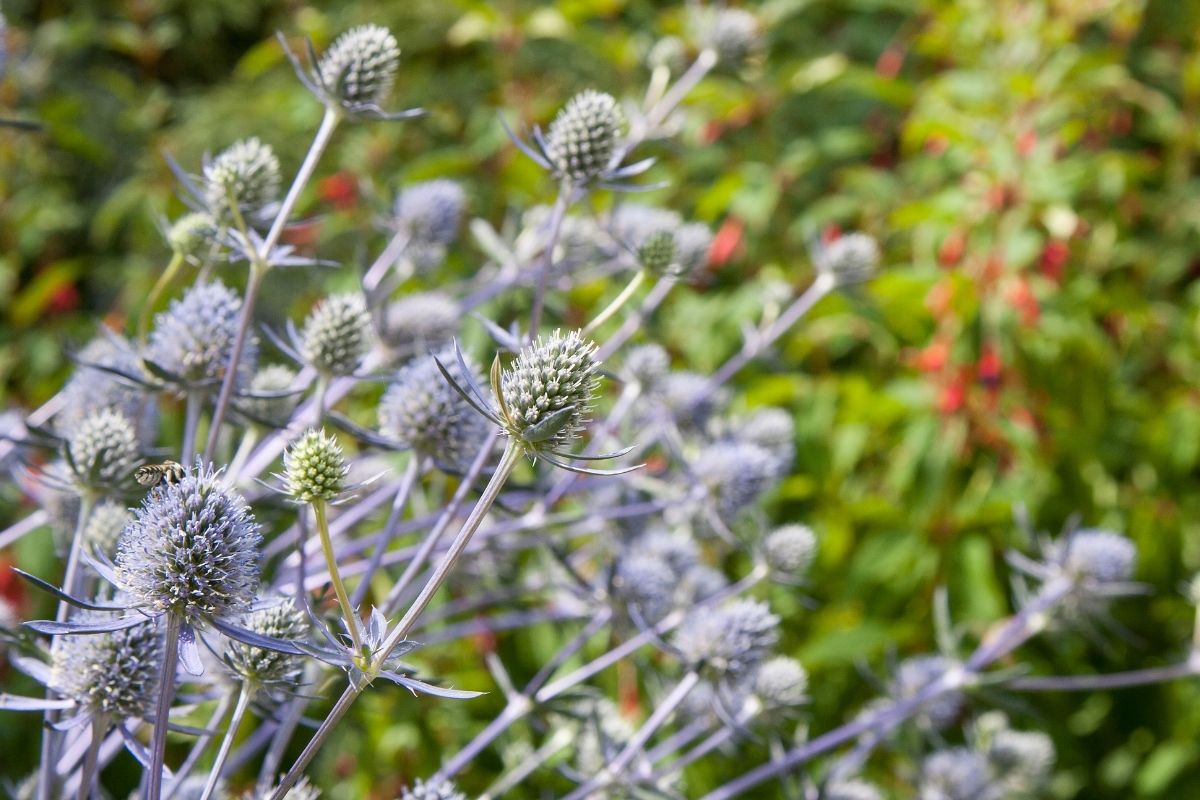
Sea holly. Spiky, silvery-blue flowerheads that genuinely enjoy hot weather and salty, coastal conditions. Despite its delicate appearance it is tough enough to fend for itself once settled, and needs little more than full sun and good drainage.
-
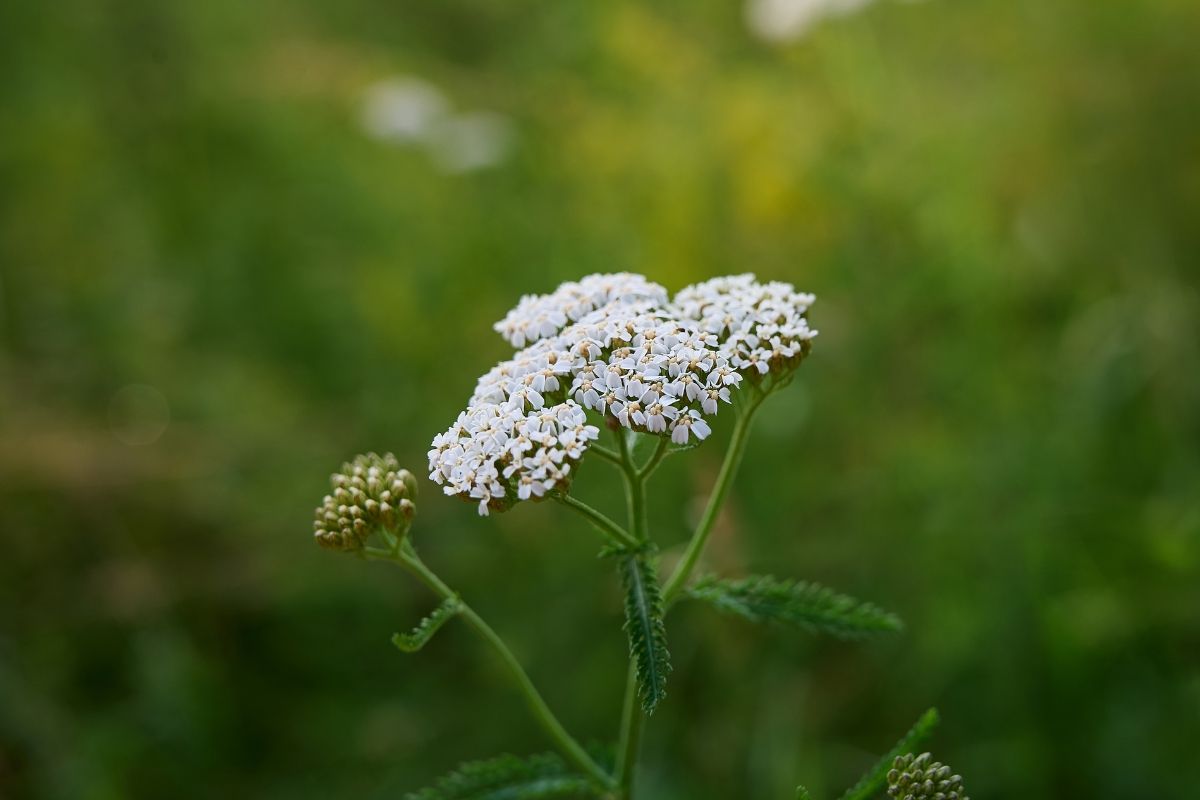
Achillea (yarrow). Flat-topped flowerheads in yellow, pink or red sit above soft, feathery foliage that copes well in poor soil. It is a reliable choice for colour without much fuss, and pollinating insects love it as much as gardeners do.
-
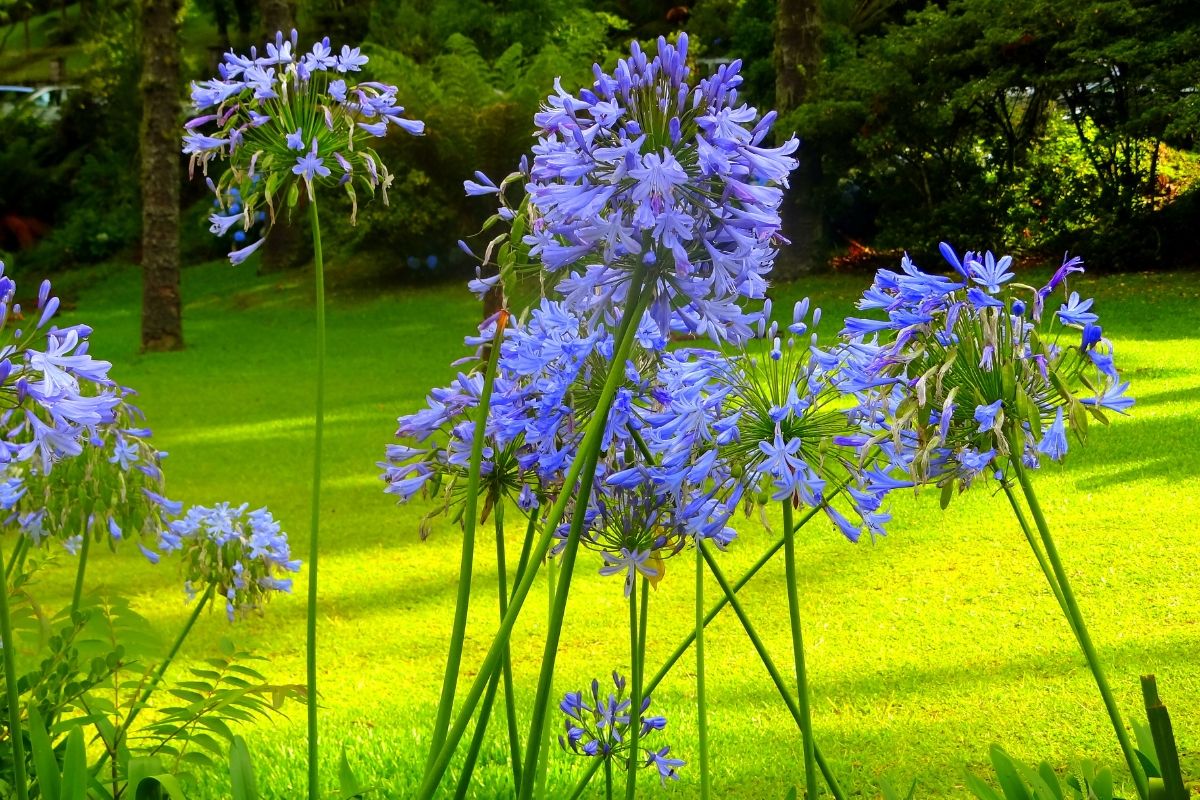
Agapanthus. A striking choice for pots and borders, with tall stems and rounded clusters of blue or white flowers that keep going right through summer. It is naturally drought-tolerant once established, though container-grown plants are best sheltered over winter in colder areas.
If you are starting from scratch, look for plants with silvery, hairy, or fleshy leaves more generally. These are usually a good clue that a plant has evolved to hold onto water and cope with strong sun.
Why is everyone suddenly talking about drought-tolerant planting?
According to the RHS's 2026 gardening predictions, climate change is now the main driver of planting decisions in UK gardens, with people prioritising resilience, lower maintenance and water efficiency over the thirstier, more high-maintenance displays of previous decades. Chief Horticulturist Guy Barter noted that pollinator-friendly, drought-tolerant varieties such as Persica roses and single-flowered dahlias performed strongly through 2025 and are expected to remain popular.
The good news is that drought-tolerant does not have to mean dull. Many of the best options are just as colourful and pollinator-friendly as anything else in the garden centre, they simply cope better when the tap goes off. It is a shift that fits neatly with the wider move towards lower-maintenance, sustainability-minded gardening among younger gardeners taking up the hobby in recent years.
How can you help your existing plants cope with less water?
You do not need to rip out your whole garden to deal with a drought. Watering deeply but less often encourages roots to grow further down into the soil rather than staying near the surface, making plants more resilient next time a dry spell hits, and watering early morning or evening cuts down how much is lost to evaporation. Mulch and organic matter worked into the soil both help lock moisture in for longer, and grouping pots together creates a more humid microclimate so you are not trekking round with a watering can in every direction.
The same principle applies if you are growing your own vegetables this year, where deep, less frequent watering also tends to produce better-flavoured tomatoes, as covered in our guide to growing your best ever tomatoes. For a more hands-off approach, a growing number of gardeners are turning to smart, app-connected irrigation systems that only water when the soil actually needs it, an approach we explored in our piece on how technology is changing home gardening.
What is the main takeaway for your garden this year?
Hosepipe bans and drought conditions are becoming a regular part of the British summer rather than a rare event. Building a garden around plants that can genuinely cope with less water, and adopting a few smarter watering habits, means you will spend less time worrying about your borders every time the forecast turns hot and dry. For more on how gardens are adapting to a changing climate, see our earlier piece on the impact of climate change on the horticultural industry.
If this summer has got you thinking about where your own plants come from, it is worth knowing the people who supply garden centres are asking exactly the same questions about water right now.
And don’t forget, Stop Pouring Money Away: Smarter Water Use for Garden Retail runs at Glee Birmingham this September, and looks at how the industry is spotting waste, tightening up processes and investing in reuse to keep costs down without compromising on plant care. It is just one session in a wider programme covering everything from sustainability and new plant ranges to the latest outdoor living trends, alongside hundreds of exhibitors showing what is actually coming to garden centre shelves next.
Why not join us in-person for the retail event of the season? Autumn Fair runs from 6-9 September 2026 at the NEC, Birmingham, co-locating with Glee on 8-10 September. Register for free here, and join our newsletter for the latest updates before the show.