
How Extreme Heat Is Changing Garden Centre Plant Sales
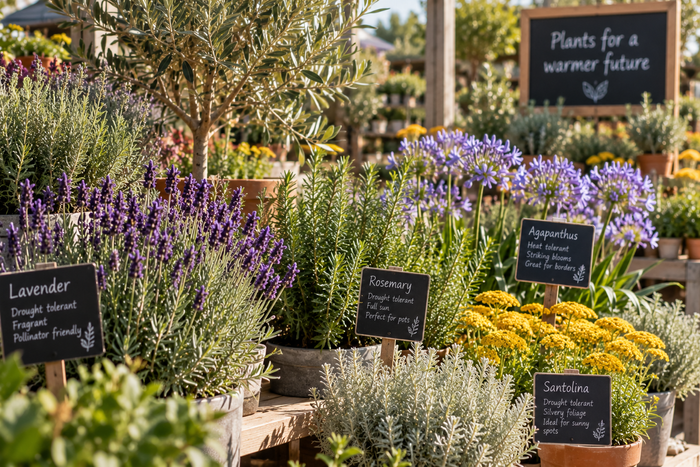
Britain’s increasingly hot and dry summers are changing what gardeners want to grow, prompting garden centres to rethink their plant ranges. For retailers, drought-tolerant plants and climate-resilient gardening could present a growing commercial opportunity.
As the UK experiences more extreme summer weather, garden centres are facing an important question: which plants will thrive in the gardens of tomorrow? Recent reporting by The Telegraph highlights how Britain's largest garden centre group, Blue Diamond, is responding to extreme heat by changing its plant selection. The shift reflects a wider challenge for the horticultural industry, as prolonged dry spells and rising temperatures affect both plant health and consumer purchasing behaviour.
For garden centre retailers, adapting to changing growing conditions could be essential to meeting customer needs and protecting future sales.
Why are garden centres changing their plant ranges?
Traditional British gardens have long been associated with colourful bedding plants, cottage garden borders and plants that flourish in temperate conditions. However, increasingly hot summers and periods of drought are making it harder for some familiar varieties to thrive without regular watering. For retailers, this creates challenges across the supply chain. Plants can become harder to maintain during extreme temperatures, while customers may be reluctant to invest in varieties they fear will struggle in their gardens.
Blue Diamond's response highlights the importance of considering plants suited to hotter, drier conditions. Varieties originating from Mediterranean and other warm climates can offer alternatives for gardeners looking to create attractive outdoor spaces that require less frequent watering. The trend signals a potential shift in what garden centres stock, how they merchandise their plant departments and the advice they provide to customers.
This is not an entirely new development. In our article, How Is the 2026 Heatwave Changing the Way We Garden?, we explored how prolonged hot weather and water restrictions are influencing plant choices and gardening habits across the UK.
Which drought-tolerant plants could present opportunities for retailers?
As gardeners become more conscious of water use, plants that combine visual appeal with resilience could become an increasingly important part of garden centre ranges. Retailers may wish to explore several categories:
- Mediterranean plants - Plants such as lavender, rosemary and santolina are familiar options for sunny, well-drained gardens. Their fragrance, foliage and flowers make them attractive choices for customers seeking Mediterranean-inspired planting schemes.
- Architectural and exotic plants - Agapanthus and other striking varieties can help customers create bold planting displays. These plants may appeal particularly to shoppers looking for statement additions to patios, borders and contemporary gardens.
- Drought-tolerant shrubs - Shrubs suited to dry conditions can provide structure and longer-term interest. Retailers can help customers identify varieties appropriate for their soil type, available space and local climate.
- Water-efficient garden products - The opportunity extends beyond plants. Mulches, water-retaining growing media, suitable containers and efficient watering equipment can help customers manage moisture and maintain healthier gardens.
For further inspiration, the Royal Horticultural Society's guide to drought-resistant plants highlights varieties that can tolerate dry conditions once established, alongside practical advice on planting and soil preparation. Retailers should ensure that plant recommendations reflect local growing conditions. Drought tolerance does not necessarily mean a plant can survive prolonged dryness immediately after planting, and newly established plants may still require regular watering.
What does this mean for garden centre retailers?
Changing weather patterns could influence more than the varieties customers purchase. They may also affect when people visit garden centres, how much they spend and which products they consider essential. The Horticultural Trades Association (HTA) continues to track the relationship between weather, consumer confidence and garden centre performance through its monthly market updates.
Its October 2026 Market Update reported that garden centre sales rose by 6% in September compared with the previous year, while gardening category sales increased by 11%. Sales of hardy plants, shrubs, trees and seeds were up 20% year on year. The figures suggest that gardening demand can recover following difficult weather conditions. However, retailers must also consider the challenges created by drought, water restrictions and rising operating costs.
The HTA noted that September's improvement followed a difficult summer, with the effects of extreme heat continuing to weigh on the sector. Read the full HTA September 2026 garden centre market update for more insight into recent garden centre performance. For retailers, these figures reinforce the importance of understanding how weather influences purchasing decisions and adapting product ranges accordingly.
How can retailers help customers adapt to hotter summers?
Stocking a broader range of drought-tolerant plants is only part of the opportunity. Garden centres can also build customer confidence by making it easier for shoppers to choose the right plants and understand how to care for them.
Here are five practical approaches retailers can consider.
1. Make drought-tolerant plants easier to discover: Consider creating a dedicated display featuring plants suited to sunny, dry conditions. Clear signage can explain their characteristics, ideal growing environments and watering requirements. Grouping complementary plants together can also help customers visualise how to create a cohesive planting scheme.
2. Invest in knowledgeable customer advice: Gardeners may be unfamiliar with some alternatives to traditional bedding plants and cottage garden favourites.Staff recommendations, care guides and in-store demonstrations can help customers understand which varieties are suitable for their gardens. Advice should cover soil preparation, drainage, planting times and watering during establishment.
3. Merchandise plants alongside complementary products: Customers planning a more water-efficient garden may also need compost, mulch, suitable containers and watering equipment. Displaying relevant products together can make the shopping experience more convenient while creating opportunities to increase basket value.
4. Review seasonal buying decisions: If hot weather changes the timing of gardening activity, retailers may need to reconsider when they order, promote and replenish particular categories. Reviewing previous sales data alongside weather patterns can help inform future buying decisions. Retailers should also consider plant shelf life, watering requirements and the potential for heat-related losses.
Practical content ideas include guides to creating a Mediterranean-style garden, plant recommendations for sunny borders and advice on reducing water use. Educational content can help retailers build trust while encouraging customers to explore products they may not have considered previously.
For more inspiration on the commercial opportunities emerging across the sector, explore the latest Glee news and views, covering garden retail developments, new products and industry trends.
Is climate-resilient gardening a long-term retail trend?
Although individual summers will continue to vary, the need to manage increasingly unpredictable weather is becoming a significant consideration for the horticultural industry. Garden centres are already exploring ways to improve water efficiency, strengthen supply chains and diversify their offers. Climate-resilient planting is one part of this broader adaptation. There are also opportunities to connect the trend with other consumer interests, including wildlife-friendly gardening, sustainable products and outdoor spaces designed for relaxation and entertaining.
For retailers, the challenge is to balance emerging demand with reliable horticultural advice. Not every drought-tolerant plant will suit every garden, and customer preferences will continue to vary by region, budget and experience. Businesses that understand their customers and select their ranges carefully will be better positioned to respond as gardening habits evolve.
Discover the latest opportunities in garden retail at Glee
As plant preferences and gardening practices change, staying informed about new products, suppliers and consumer trends will remain important for garden centre businesses. Glee brings together the garden retail industry, providing opportunities to discover new products, connect with suppliers and explore developments shaping the future of gardening.
Whether you are reviewing your plant ranges, looking for complementary products or planning your next season's buying strategy, keeping ahead of industry changes can help you make more informed commercial decisions. Discover Glee and explore the latest developments shaping the garden retail industry.